Breakout F-CLP: The High-Performance, Eco-Friendly Lubricant That Outperforms Petrochemicals


Breakout F-CLP: The High-Performance, Eco-Friendly Lubricant That Outperforms Petrochemicals


That stubborn, rusted bolt isn’t just an inconvenience—it’s the moment you face a familiar compromise. You reach for a can of penetrating lubricant, bracing for the harsh chemical smell and worrying about the toxic residue left behind. For years, tackling tough jobs meant accepting that performance came at the cost of safety and environmental harm. The frustration of a seized part was often matched by the concern of using harsh petrochemicals around your workshop, home, or family.

It’s time to end that compromise. We developed a solution that proves an eco-friendly product can deliver superior results. In this guide, we introduce Breakout F-CLP, the high-performance, plant-based lubricant designed to outperform traditional sprays. Discover how this single, non-toxic formula frees seized components, provides long-term rust protection, and keeps your valuable equipment running smoothly, all while being completely safe for you, your whānau, and the planet. Get ready to see how green technology gets the job done.

Redefining 'Lubricant': Why Your Workshop Deserves Better Than Petrochemicals

When you reach for a can of multi-purpose spray, you expect a simple solution. But have you ever stopped to consider what’s actually in that can? For decades, the standard workshop lubricant has been a petroleum-based formula, effective at a glance but packed with hidden costs. These are not just numbers on an invoice; they are the long-term costs to our health, our environment, and even the performance of our equipment. It’s time to demand more from the products we rely on every day.

The term can be broad, but for our purposes, what is a lubricant? It’s a substance engineered to reduce friction, heat, and wear between mechanical components. The problem is that the traditional approach to achieving this has been fundamentally flawed, prioritising low-cost production over safety and sustainability. We believe you shouldn't have to compromise.


The Problem with Traditional Lubricants

The familiar petrochemical sprays lining hardware store shelves come with serious drawbacks that are often overlooked. These products carry risks that extend far beyond a greasy workshop floor.

  • Toxicity Concerns: Many contain volatile organic compounds (VOCs) that can cause respiratory irritation and other health issues. Direct skin contact with petroleum distillates can lead to dermatitis and dryness.
  • Environmental Impact: Spills and overspray wash into our waterways and soil, causing long-term contamination. These products are not biodegradable, persisting in the environment for years.
  • Performance Limitations: Traditional formulas often act as a magnet for dust and dirt, creating a grinding paste that can accelerate wear. They also tend to evaporate, requiring frequent reapplication to remain effective.


What to Demand from a Modern Multi-Purpose Lubricant

A modern, high-performance lubricant doesn't force a choice between effectiveness and responsibility. It delivers on all fronts. Today, your workshop should be equipped with a product that offers a new standard of performance and safety, built for the challenges of today and tomorrow.

  • Superior Performance: Demand a formula that penetrates deeply, provides lasting protection against rust and corrosion, and actively cleans grime without attracting more.
  • Uncompromising Safety: Your lubricant should be non-toxic, biodegradable, and safe to use on a wide range of materials, including plastics, rubber, and modern composites, without causing damage.
  • True Sustainability: Choose products derived from renewable, plant-based resources. Supporting solutions developed and manufactured right here in Aotearoa New Zealand reduces carbon miles and strengthens our local economy.


Introducing Breakout F-CLP: The All-in-One Plant-Based Solution

For too long, high-performance maintenance has meant compromising on health and environmental safety. Breakout F-CLP is the definitive answer. It is a single, powerful formula that outperforms traditional petrochemicals without the harmful side effects. The name says it all: it’s a superior Functioning Cleaner, Lubricant, and Protector (F-CLP) designed to handle the toughest jobs.

Developed and manufactured with pride in Aotearoa, New Zealand, Breakout F-CLP is formulated from a unique blend of renewable, sustainably sourced plant oils. This isn't just an alternative; it's a significant advancement in maintenance technology, engineered for both industrial and home workshops.


The Science of Plant-Oil Performance

The secret to Breakout F-CLP’s superior performance lies in chemistry. Unlike petrochemicals that simply coat a surface, plant oils possess a natural polarity. This causes their molecules to bond electrochemically to metal, creating a durable, wear-resistant film that provides longer-lasting lubrication and protection. This principle is a key reason why governments and industry bodies, such as the USDA BioPreferred Program, are increasingly promoting bio-based products. The result is a more resilient barrier that doesn't easily wash away or evaporate.


Cleaner: Dissolving Grease and Grime

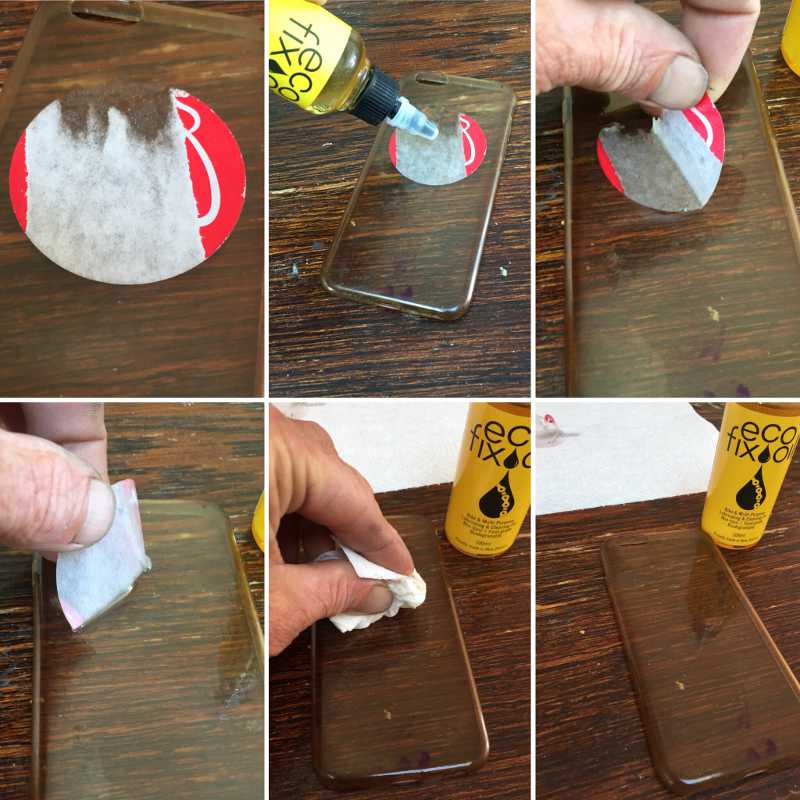
Breakout F-CLP acts as a powerful, non-toxic degreaser that cuts through stubborn grease, oil, and grime. It is completely safe to use for cleaning everything from workshop tools and engine parts to bicycle chains and dirty surfaces. Critically, it penetrates and lifts contaminants without leaving behind a sticky residue that attracts more dust and dirt, ensuring your equipment stays cleaner for longer.


Lubricant & Protector: Stopping Squeaks and Seizures

At its core, Breakout F-CLP is a high-performance penetrating lubricant designed to stop squeaks and free seized components. It quickly works its way into the tightest spaces to release rusted bolts, stiff hinges, and stuck moving parts. Once applied, it leaves behind a microscopic protective barrier that displaces moisture and shields metal from salt and air, effectively preventing future rust and corrosion—an essential defence in New Zealand’s coastal environments.

Performance in Action: How Breakout F-CLP Outperforms the Competition

Let's address a common misconception: that 'eco-friendly' means compromising on power. With Breakout F-CLP, the opposite is true. Our plant-oil based formula is engineered not just to match, but to outperform traditional petrochemicals. In fact, industry research often highlights the inherent Benefits of Bio-Based Lubricants, such as superior lubricity and higher viscosity indexes. This isn't just a greener alternative; it's a more effective, high-performance lubricant for the toughest jobs.


Case Study 1: The Seized Marine Engine Bolt

Anyone working on boats or equipment near the coast in Aotearoa knows the battle against corrosion. Imagine a stainless steel bolt seized solid in an aluminium engine block—a recipe for a snapped bolt and a costly repair. Breakout F-CLP’s deep penetrating action creeps into the tightest threads, breaking the molecular bonds of rust and oxidation. Once free, it displaces all moisture, leaving a protective barrier that prevents the corrosive saltwater environment from taking hold again.


Case Study 2: Restoring and Protecting Workshop Tools

Bring your trusted workshop tools back to life. A quick spray of Breakout F-CLP and a wipe with a rag is all it takes to cut through years of grime and remove light surface rust from spanners, pliers, and saws. More importantly, it leaves behind a clean, non-tacky protective film that guards against future corrosion. Because it contains no harsh solvents, it’s completely safe for tools with wood or plastic handles, preserving their integrity while protecting the steel.


Case Study 3: Industrial Use in Food Processing

In the food processing industry, performance cannot come at the expense of safety. Breakout F-CLP is an indispensable tool, providing superior lubrication for chains, conveyors, and processing machinery while holding MPI C15 approval for incidental food contact. This non-toxic, plant-based lubricant ensures equipment runs smoothly and reliably without the risk of contamination posed by petrochemicals. It’s the trusted choice for facilities where hygiene and performance are paramount. See how NZ's top companies use Eco Fix Oil.

A Lubricant You Can Trust: Unmatched Safety and Sustainability

Superior performance is essential, but true confidence comes from using a product that is as safe as it is effective. With Breakout F-CLP, you get unparalleled results without compromising on health or environmental responsibility. It’s the peace of mind that comes from choosing a lubricant that protects your gear, your family, and our planet.


Safe for People, Pets, and Planet

Unlike petrochemical-based products that often come with extensive health warnings, Breakout F-CLP is formulated with safety at its core. This plant-oil based solution offers tangible benefits for everyday use:

  • Completely Non-Toxic: Free from carcinogens and harsh chemicals, making it safe to handle.
  • Fully Biodegradable: Causes no harmful effects on soil, waterways, or local ecosystems.
  • No Harmful Fumes: Ideal for use in enclosed spaces like garages, workshops, or even inside the home without requiring heavy ventilation.

This makes it the perfect all-purpose solution for family life—from maintaining the kids’ bikes and toys to fixing squeaky door hinges and protecting garden tools.


Certifications and Guarantees

Our commitment to safety is independently verified. Breakout F-CLP is MPI C15 approved, certifying it for incidental use in and around food processing areas. This high standard of approval is a clear indicator of its clean, non-toxic formulation.

We stand behind our product with a promise that is second to none. We 100% guarantee you will be impressed by the performance of our products. In the unlikely event that you are not completely satisfied, we will provide a full refund, including return shipping costs. This isn't just a policy; it's the ultimate proof of our confidence in what we make.


The Local Choice for a Greener Aotearoa

Choosing Breakout F-CLP is a choice to support local innovation and a more sustainable New Zealand. As a locally owned business, we develop and manufacture our entire range right here in Aotearoa. This dramatically lowers the carbon footprint associated with international shipping and strengthens our local economy.

Our products are designed by Kiwis, for the tough and varied conditions Kiwis face. When you need a high-performance, eco-friendly lubricant, you are choosing a solution built to last while protecting the place we all call home.

Upgrade Your Workshop: The Clear Choice for Performance and Planet

The time for compromising between high performance and environmental responsibility is over. Breakout F-CLP proves that you can have both. It’s not just an alternative to petrochemicals; it’s a superior, plant-based solution designed to outperform them in every application. By making the switch, you’re choosing a more effective, safer, and sustainable lubricant for your equipment, your team, and the environment.

Join industry leaders across Aotearoa New Zealand, like Firth Concrete and Talleys, who rely on Breakout F-CLP for their most critical operations. Developed and manufactured locally, we are so confident in its performance that we offer a 100% satisfaction guarantee, including all return shipping costs. The risk is entirely on us.

It’s time to equip your workshop with a product that truly delivers. Shop Breakout F-CLP Now and Experience the Difference. Make the smarter, more powerful choice today.

Frequently Asked Questions


How does Breakout F-CLP compare to common products like WD-40 or CRC 5.56?

Breakout F-CLP is designed as a high-performance, long-lasting lubricant, cleaner, and protectant. While products like WD-40 and CRC 5.56 are effective water displacers and penetrating oils, they are not formulated for durable lubrication and can evaporate quickly. Breakout F-CLP’s plant-oil base provides superior, lasting protection and lubrication without the harmful petrochemicals. It stays where you apply it, ensuring your machinery runs smoothly for longer and outperforms conventional options.


Is Breakout F-CLP safe to use on rubber, plastics, or painted surfaces?

Absolutely. Breakout F-CLP is completely safe for use on all common materials, including rubber seals, O-rings, plastics, and painted surfaces. Its plant-oil based formula is non-corrosive and free from the harsh solvents found in many petrochemical products that can damage or degrade sensitive components. You can confidently apply it to protect and lubricate parts without worrying about causing harm, making it a versatile solution for your workshop, home, or commercial equipment.


What does 'MPI C15 approved' mean and why is it important?

MPI C15 approval means that New Zealand's Ministry for Primary Industries has assessed and approved Breakout F-CLP for use in and around food processing areas, provided there is no direct contact with food. This is a critical certification for commercial operators in the food and beverage industry. It confirms the product meets stringent safety standards, ensuring it won't contaminate products, which is a testament to its safe, non-toxic formulation developed right here in Aotearoa New Zealand.


Can I use Breakout F-CLP as a lubricant for my bike chain?

Yes, Breakout F-CLP is an excellent choice for lubricating your bike chain. Its penetrating action helps to clean out grit and grime, while its durable lubricating film reduces friction and protects against wear and corrosion. It performs exceptionally well in both wet and dry conditions. For best results, apply this eco-friendly lubricant to a clean, dry chain, work it into the links, and then simply wipe away any excess for a smooth, quiet ride.


What is the best way to apply Breakout F-CLP for rust prevention?

For optimal rust prevention, start by cleaning the metal surface to remove any existing dirt, moisture, or loose rust. Apply a thin, even coat of Breakout F-CLP using the spray applicator or a clean cloth. The formula will penetrate microscopic pores in the metal, displacing moisture and creating a protective barrier against oxygen and humidity. This long-lasting film provides robust protection for tools, equipment, and any metal surfaces exposed to corrosive environments.


What exactly is covered by your 100% satisfaction guarantee?

Our 100% satisfaction guarantee is simple and comprehensive. We are confident that Breakout F-CLP will outperform your expectations. In the unlikely event that you are not completely satisfied with its performance for any reason, we will provide a full refund of your purchase price. We even cover the cost of return shipping, making your purchase completely risk-free. Your satisfaction is our absolute priority, and we stand firmly behind the quality of our products.


Bike Chain Lube: The Ultimate Guide for a Faster, Quieter Ride


Bike Chain Lube: The Ultimate Guide for a Faster, Quieter Ride


The Eco-Friendly Advantage: High Performance Without Compromise

For years, cyclists believed high performance meant using harsh, petrochemical-based products. Today, plant-based bio-lubricants offer a smarter, safer, and more effective alternative. This modern approach directly challenges the misconception that "eco-friendly" means lower performance, proving you can have a top-tier lube that’s also safe for you and the environment. Eco Fix Oil, developed and manufactured here in Aotearoa New Zealand, is the leader in this category.

How Plant-Based Lubes Outperform Petrochemicals

The unique molecular structure of plant oils gives them a natural advantage. They are formulated for superior lubricity and polarity, which means they bond more effectively to metal surfaces. This creates a tougher, longer-lasting protective film that resists breakdown under the high pressure and heat generated by a bicycle drivetrain. The Eco Fix Oil formula is specifically designed to penetrate deeply, run clean, and last longer than many traditional lubes.

Benefits for You and the Environment

  • Simplify Your Maintenance: Our unique formula is a 2-in-1 cleaner and lubricant. It breaks down existing grime as it lubricates, eliminating the need for separate, harsh degreasing solvents and saving you time.

  • Fully Biodegradable: Leaves no harmful residue in the soil or waterways, helping protect New Zealand's beautiful natural landscapes.

  • Non-Toxic and Safe: Free from harsh solvents and dangerous chemicals, making it safer to use at home, especially around children and pets.

  • Sustainable Innovation: Choosing a plant-based product reduces our collective reliance on fossil fuels and supports a healthier planet.

  • CTA: Discover our high-performance, plant-based bike lube.

Perfect Application in 3 Simple Steps: Lube, Backpedal, Wipe

Proper application is just as important as the lube you choose. Over-lubing is a common mistake that only attracts more dirt. Follow these simple steps for a perfectly maintained chain.


Step 1: Clean and Lube in One Go

With a traditional lube, you would first need to use a separate degreaser to scrub the chain clean. However, a modern 2-in-1 formula like Eco Fix Oil simplifies this process. You can apply it directly to a dirty chain. The powerful plant-based formula contains cleaning agents that penetrate and break down old grime and grit as you apply it.


Step 2: Apply One Drop Per Link

Hold the bottle over the lower run of the chain and slowly squeeze a single drop of lube onto the top of each chain roller. As you do this, slowly turn the crank backwards to cycle the entire chain through. Applying to the inside of the chain ensures the lube gets pulled into the rollers and pins where it's needed most. Once the whole chain is coated, let it sit for a few minutes to allow the lube to fully penetrate.


Step 3: Wipe Off the Excess

This is the most critical and often-missed step. Take a clean, dry rag and firmly clamp it around the chain. Continue to backpedal, running the entire length of the chain through the rag several times. The goal is to remove all the excess lube from the outside of the chain plates. Any lube left on the outside does nothing to lubricate the chain; it only serves as a magnet for dirt. Wiping thoroughly also removes the old grime that the lube has lifted from deep inside the rollers, leaving your chain clean, protected, and ready to ride.

Frequently Asked Questions (FAQs)

How often should I lube my bike chain? This depends on your lube and riding conditions. A good rule of thumb is to listen to your bike—if you hear squeaking, it's overdue. For dry lubes, you may need to reapply every 100-150 km. Wet lubes can last over 250 km, but your chain will get dirtier. A quick wipe and re-lube after every wet or dusty ride is best practice.

Can I use motorcycle chain lube on my bicycle? It's not recommended. Motorcycle lubes are designed for the high temperatures and forces of an engine and are often too thick and sticky for a bicycle drivetrain. They will attract a lot of dirt and can be difficult to clean off.

My new chain feels greasy. Do I need to lube it? New chains come with a thick, sticky factory grease. This is an excellent preservative but a poor lubricant for riding as it attracts dirt quickly. For best performance, it's recommended to clean this factory grease off. Our Bike and Multi-Purpose Lube is effective for this task, before drying the chain and reapplying for lasting lubrication.

Does bike chain lube expire or go bad? Most bike lubes are very stable and have a long shelf life of several years if stored in a cool, dry place. Always give the bottle a good shake before use, as some ingredients can separate over time.

How do I know when my chain is worn out and needs replacing? The best way is to use a chain checker tool. This simple tool measures the "stretch" or wear between the rollers. As a rule of thumb, you should check your chain every 500-750 km and replace it when it reaches 0.5% to 0.75% wear to prevent it from damaging your more expensive cassette and chainrings.


Try Eco Fix Oil Bike Lube with our 100% satisfaction guarantee.

  • Outperforms petrochemicals in durability and performance.

  • 100% plant-based, biodegradable, and non-toxic.

  • Developed and manufactured in Aotearoa New Zealand.


Why Your Chainsaw Bar Oil Choice Matters: A Complete Guide


Why Your Chainsaw Bar Oil Choice Matters: A Complete Guide


Is your chainsaw chain dulling faster than it should? Are you tired of messy oil flinging off the bar, or wondering if you can just use regular motor oil? These are common frustrations, but the solution is simpler than you think. Your choice of chainsaw bar oil is one of the most critical decisions for your equipment's health and performance. Using the wrong lubricant not only leads to premature wear and costly repairs but can also release harmful petrochemicals into your garden and property here in New Zealand.

This guide provides the clear, practical answers you need. We will explore what makes bar and chain oil unique and why substitutes can cause expensive damage. You will discover how to select an oil that delivers superior lubrication for smoother, safer cuts while extending the life of your equipment. We’ll also show you how to choose a high-performance, eco-friendly option that protects your investment and our beautiful Aotearoa environment. Get ready to make a better, more informed choice for your saw.

What is Chainsaw Bar Oil and Why Is It Absolutely Essential?

Unlike the oil in your car's engine, chainsaw bar oil is a purpose-built lubricant designed for a high-speed, high-friction environment. It operates in a 'total loss' system, meaning the oil is flung from the chain during operation to lubricate and protect the cutting components. A well-maintained saw will often use a full tank of bar oil for every tank of fuel, which shows just how critical its role is. Without a constant supply of high-quality lubricant, a chainsaw's bar and chain would be destroyed in minutes. This is why a good Chainsaw bar and chain oil is considered a non-negotiable part of safe and effective operation. This specialised oil performs three primary functions that work together to keep your chainsaw running at peak performance.


Function 1: Reducing Friction and Wear

As a chainsaw chain travels around the guide bar at speeds exceeding 80 km/h, it generates intense friction. A high-quality chainsaw bar oil creates a durable, protective film between these two metal surfaces. This essential barrier prevents direct metal-on-metal contact, drastically reducing premature wear on both the bar and the chain. Proper lubrication ensures your chain stays sharper for longer, leading to cleaner cuts and significantly improved cutting efficiency.


Function 2: Cooling the Cutting System

Friction doesn't just cause wear; it generates a tremendous amount of heat. If left unchecked, this heat can cause the guide bar to warp or discolour and the chain to stretch, increasing the risk of it coming off the bar. The oil acts as a vital coolant, absorbing heat from the bar and chain and carrying it away as it is expelled. This cooling action is crucial for maintaining the structural integrity of your equipment during demanding jobs.


Function 3: Cleaning Debris

A good bar oil is formulated to cling to the chain at high speeds while also helping to clean the cutting system. As the oil circulates, it effectively cleans and flushes out sawdust, sap, and wood chips from the guide bar's groove. This prevents clogging that can hinder the chain's movement, cause poor cutting performance, and even lead to dangerous chain derailment. A clean, free-moving system is a safe and effective one.

The Dangers of Using the Wrong Lubricant (e.g., Motor Oil)

It's a common question in workshops across New Zealand: "Can I just use motor oil in my chainsaw?" The answer is a simple and emphatic no. While it might seem like a pragmatic way to save a few dollars, using motor oil is one of the worst things you can do for your saw's performance, your wallet, and the local environment. The reason is simple: motor oil is engineered for a completely different job and lacks the essential properties of a dedicated chainsaw bar oil.


The 'Fling-Off' Problem

Proper chainsaw lubricant contains a 'tackifier'. This ingredient makes the oil sticky, ensuring it clings to the chain as it spins at high speed around the bar. Motor oil has no tackifier. As a result, it gets flung off the bar almost instantly, leaving your bar and chain to run dry. This creates immense friction and heat, leading to premature wear and irreversible damage to your equipment.


Harmful Additives and Environmental Damage

Beyond poor performance, there is a serious environmental cost. Used motor oil is a toxic substance, often contaminated with heavy metals, fuel residue, and harmful combustion byproducts. When used on a chainsaw, these pollutants are sprayed directly into your work area, contaminating soil, plants, and waterways. The environmental impact of bar oil is a significant concern, which is why plant-based, biodegradable options are the responsible and superior choice. Furthermore, detergents in motor oil can interfere with the saw's oiling system.


Costly Repairs

Using an unapproved lubricant like motor oil will almost certainly degrade your chainsaw's performance and longevity. The false economy of this shortcut becomes painfully clear when you face the repair bill. Saving NZ$15 on a bottle of oil is meaningless when you're faced with a NZ$200 bill for a new bar, chain, and a service to unblock a sludge-filled oil pump.

Petrochemical vs. Plant-Based Bar Oil: A Modern Comparison

When selecting a chainsaw bar oil, operators today face a choice between two distinct categories: traditional petrochemical-based oils and modern, plant-based bio-lubricants. For decades, mineral oils were the only option. However, technology has advanced, and the old myth that 'eco-friendly' means lower performance is simply no longer true. High-quality plant-based oils now represent the superior choice, delivering exceptional results without compromising the health of the user or the environment. Let's break down how these two types of oil compare across the factors that matter most.


Performance and Lubricity

The primary job of bar oil is to reduce friction and wear. High-quality plant oils possess naturally high lubricity and polarity, which allows them to adhere or 'tack' more effectively to metal surfaces. This superior 'tackiness' means less oil is flung off the chain during high-speed operation, reducing consumption and ensuring consistent lubrication. As detailed in guides like the University of Hawaii Chainsaw Maintenance Guide, consistent lubrication is non-negotiable for prolonging the life of your bar and chain. Furthermore, plant-based oils maintain a more stable viscosity across a wider range of temperatures, performing reliably on cold winter mornings and during demanding summer work. See how Eco Fix Oil's plant-based formula outperforms traditional oils in real-world conditions.


Health and Safety for the User

Every time you run your chainsaw, the bar oil atomises into a fine mist that is inevitably inhaled. With petrochemical oils, this mist contains toxic compounds that pose a direct health risk to the operator. Plant-based oils, on the other hand, are non-toxic and fume-free, creating a significantly safer work environment. Additionally, prolonged skin contact with petroleum products is a known cause of dermatitis and skin irritation, a risk that is eliminated with plant-based alternatives.


Environmental Impact

Chainsaws operate on a 'total-loss' lubrication system, meaning every drop of oil used is ultimately deposited into the environment. Petrochemical-based oils are persistent pollutants that contaminate soil and waterways, taking years to break down. In contrast, a high-performance plant-based chainsaw bar oil like Eco Fix Oil's is readily biodegradable. It breaks down harmlessly in the environment, making it the only responsible choice for forestry, arboriculture, and farming work in Aotearoa New Zealand.

How to Choose the Right Chainsaw Bar Oil for Your Needs

Selecting the perfect oil for your chainsaw doesn’t need to be complex. By focusing on three key factors—your local climate, the oil’s technical properties, and your environmental values—you can make a confident decision that protects both your equipment and the land you work on. This simple framework will help you choose the best chainsaw bar oil for any job.


Evaluating Tackiness and Anti-Wear Additives

A quality bar and chain oil must be sticky. It contains "tackifiers" that help it cling to the chain at thousands of revolutions per minute. An oil with superior tackiness dramatically reduces "fling-off," meaning more oil stays on the job, you use less product, and your components get better protection. Also, look for formulas with anti-wear additives that prevent metal-on-metal damage under extreme pressure.


Making the Eco-Conscious Choice

Every drop of oil used eventually ends up in the environment. Conventional petrochemical oils can contaminate soil and waterways, posing a long-term risk to your property and local ecosystems. By choosing a product labelled "biodegradable" and "plant-based," you eliminate this harm entirely.

Modern, high-performance plant-based oils offer exceptional lubrication and tackiness, outperforming many traditional products without any of the negative side effects. It’s a practical, no-compromise solution for professionals and homeowners who value both their equipment and a healthy environment. You can have superior performance and peace of mind.

Ready for a better choice that protects your saw and your land? Try Eco Fix Chainsaw Bar Lube today.

The Clear Choice for Performance and Protection

As we've covered, selecting the right lubricant is non-negotiable for your chainsaw's health and your safety. Using improper substitutes like motor oil can cause irreversible damage, while the choice between petrochemical and plant-based oils has significant impacts on both performance and the environment. The key takeaway is simple: the right chainsaw bar oil doesn't just lubricate; it protects your investment and the world around you.

It’s time to move beyond the old trade-off between power and principle. Ecofixoil offers a solution proudly developed and manufactured in New Zealand that proves you can have both. Our plant-based formula is readily biodegradable and non-toxic, yet engineered to outperform conventional petrochemical oils, offering superior tackiness and protection for your bar and chain.

Shop our high-performance, plant-based Chainsaw Bar Lube now.

Make the switch today and experience the difference a high-quality, conscientious lubricant makes in every cut.

Frequently Asked Questions


Can I use vegetable oil or canola oil from my kitchen as bar oil?

We strongly advise against using standard kitchen oils. While they are plant-based, they lack the essential tackifiers that help the oil adhere to the chain at high speeds, and the anti-wear additives that prevent metal-on-metal damage under extreme pressure. Kitchen oil will simply fling off and fail to lubricate the bar and chain. It can also gum up your saw’s oiler over time. For reliable performance and protection, always use a purpose-made, eco-friendly bar and chain lubricant designed to handle the extreme demands of a chainsaw.


How do I know if my chainsaw's automatic oiler is working correctly?

There is a simple and effective test. With the chainsaw running, point the tip of the bar towards a light-coloured surface, like a piece of cardboard or a tree stump, and rev the engine for a few seconds. Be sure to maintain a safe distance. If the oiler is working, you will see a fine line of oil sprayed onto the surface. No line means there is a blockage or a fault that requires immediate attention before you continue cutting.


Does chainsaw bar and chain oil have a shelf life or expire?

Most conventional bar oils are very stable and can last for several years if stored in a sealed container away from extreme temperatures. High-performance, plant-oil based bio-lubricants are also formulated for excellent stability and a long shelf life. For best results, we recommend storing your oil in a cool, dark place in a sealed container and using it within two years of purchase to ensure it performs exactly as intended, protecting both your equipment and the environment.


How often should I refill the bar oil reservoir?

A good rule of thumb is to top up the bar oil every time you refill the fuel tank. Most chainsaws are designed so the oil reservoir and fuel tank empty at roughly the same rate. Making this part of your routine ensures you never forget. Operating a saw without oil, even for a short time, can cause significant damage. Always check your oil level before starting a new cutting session for maximum protection and performance.


What happens if I accidentally run my chainsaw without bar oil?

Running a chainsaw without bar oil is one of the most damaging things you can do. The lack of lubrication creates intense friction and heat almost instantly. This will ruin the chain and can permanently damage the guide bar in just minutes of use. Replacing a burnt-out bar and chain can easily cost upwards of NZ$100, making a simple oversight a very expensive mistake. Always ensure your reservoir is full before you start work.


The Harmful Effects of Petroleum-Based Lubricants You Need to Know


The Harmful Effects of Petroleum-Based Lubricants You Need to Know


In workshops and garages across New Zealand, reaching for a can of penetrating oil or lubricant is second nature. We use it to silence a squeak, free a rusted bolt, or maintain valuable equipment. But what if that trusted solution creates more problems than it solves? Many are frustrated with how traditional oils attract dirt and grime, creating a sticky mess. More importantly, a growing number of us are concerned about the hidden health and environmental costs packed into that familiar can, from skin irritation to the long-term impact of hazardous waste.

The truth is, most conventional, petroleum-based lubricants carry significant risks that are rarely discussed. This article will uncover the harmful effects of these common products that you need to know about. We will also introduce you to a new generation of high-performance, plant-based alternatives that are not only safer but are engineered to outperform their petrochemical counterparts. You will discover how to source an effective lubricant that works without compromising your health or our environment, allowing you to feel confident in a modern, responsible choice.

What Are Petroleum-Based Oils and Why Are They Everywhere?

Petroleum-based lubricants, commonly known as mineral oils, are the standard for most industrial, automotive, and household applications. They are produced by refining crude oil, a complex process that separates raw petroleum into a vast range of products, from fuel to plastics and lubricants. As a non-renewable resource, petroleum is a fossil fuel formed over millions of years, and its extraction carries a heavy environmental cost. For decades, this single source has supplied the world with its primary lubricating oil.

The dominance of petroleum-based products was not a conscious choice based on performance or safety, but a consequence of circumstance. The massive scale of the global fossil fuel industry made them incredibly cheap and universally available. This convenience established them as the default for nearly every application, a standard that went largely unquestioned for generations. Now, with a greater understanding of their harmful effects on our health and our Aotearoa New Zealand environment, it is imperative to re-evaluate this reliance and explore better, safer solutions.


Common Types in Your Workshop

A quick look in any garage, workshop, or factory in New Zealand will reveal just how pervasive these products are. They are so common that we often use them without considering their origin or impact. Familiar examples include:

  • Penetrating oils and multi-purpose sprays: Aerosol cans like WD-40, used to loosen rusted parts, displace moisture, and provide light lubrication.
  • General-purpose lubricating oils and greases: All-purpose oils for squeaky hinges and power tools, and thick greases for protecting bearings and gears.
  • Automotive and machinery fluids: This broad category includes motor oils, transmission fluids, hydraulic fluids, and gear oils essential for modern vehicles and equipment.


The Difference Between Mineral and Synthetic Oils

You will often see lubricants labelled as either 'mineral' or 'synthetic', but it is crucial to understand that both are derived from petroleum. Mineral oils are directly refined from crude stock. Synthetic oils are chemically engineered to provide superior performance, such as stability at extreme temperatures. While synthetics offer performance benefits, the term does not mean 'eco-friendly'. Both originate from a petrochemical base and carry the same fundamental environmental and health risks that we will explore throughout this article.

The Environmental Toll: From Extraction to Disposal

The can of petroleum-based lubricant in your workshop represents the final step in a long, energy-intensive journey. From high-impact oil extraction and refining to cross-globe transportation, the carbon footprint of a single product is immense before it even reaches your hands. Unlike plant-based alternatives that work in harmony with nature, petrochemicals introduce persistent pollutants into our environment at every stage of their lifecycle.

This environmental cost doesn't end after use. The true impact is often seen in the slow, steady accumulation of drips, spills, and improper disposal that creates lasting damage to our soil, water, and air.


Contamination of Soil and Water

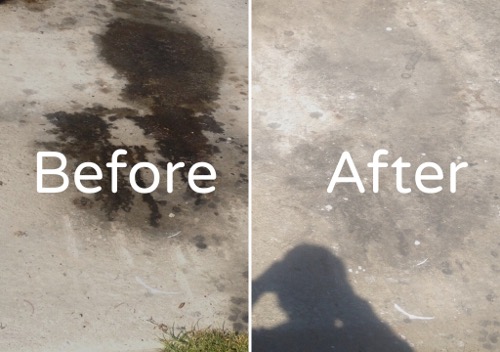
Every dark stain on a driveway or workshop floor is a small environmental hazard. These drips and spills of petrochemical oil are not harmless; they contain heavy metals and toxic compounds that leach into the soil, killing beneficial microorganisms and harming plant life. When it rains, this runoff carries the contaminants into our stormwater systems, eventually polluting streams, rivers, and coastlines. A single drop can contaminate litres of drinking water, making a seemingly small leak a significant threat to our ecosystems here in Aotearoa.


The Problem with 'Disposing' of Used Oil

Used motor oil and lubricants are hazardous waste. You cannot simply pour them down the drain or throw them in your general waste bin, as this leads directly to environmental contamination. According to the U.S. Environmental Protection Agency, used oil from cars and machinery is a major source of oil contamination in waterways. While recycling is an option, the process of re-refining petroleum is complex, costly, and energy-intensive, further contributing to the product’s overall carbon footprint.


Air Pollution and Volatile Organic Compounds (VOCs)

Petroleum-based lubricants release Volatile Organic Compounds (VOCs) into the atmosphere as they are used and evaporate. These airborne chemicals react with sunlight to form ground-level ozone, a primary component of smog that can cause respiratory problems. This hidden form of pollution contributes to poor air quality in urban and industrial areas. In contrast, modern plant-oil based lubricants are formulated to be low-VOC, providing a much safer alternative for both user health and the air we all breathe.

Personal Health Risks: What You Can't See Can Hurt You

While the environmental impact of petrochemicals is significant, the direct risk to your own health is an even more immediate concern. Many conventional lubricants are derived from petroleum distillates, a complex mix of chemicals that includes known irritants and carcinogens. These risks aren't confined to industrial worksites; they are present in every garage and workshop across New Zealand where these products are used, from maintaining machinery to working on a weekend project.


Inhalation Dangers: Fumes and Aerosols

When you use a petroleum-based lubricant, especially an aerosol spray, you release Volatile Organic Compounds (VOCs) into the air. Inhaling these fumes can lead to immediate effects like respiratory irritation, headaches, dizziness, and nausea. The danger is significantly higher in enclosed, poorly ventilated spaces. Over time, repeated exposure to the fine mist from a spray can or the fumes from a standard penetrating oil can place unnecessary strain on your respiratory system.


Skin Contact and Absorption

Direct contact is one of the most common exposure routes. The solvents in petrochemical lubricants can strip your skin of its natural oils, leading to dryness, rashes, and painful conditions like contact dermatitis. More concerning is that toxic compounds can be absorbed through your skin and enter your bloodstream. This is why safety data sheets for these products consistently recommend wearing gloves and washing your hands thoroughly after use—a precaution that is often overlooked in a home setting.


Long-Term Exposure Concerns

The true danger of these chemicals lies in their cumulative effect. What seems like minor, infrequent exposure can add up over years of hobby or professional work, contributing to serious long-term health problems. Extensive scientific reviews, like one published by the National Institutes of Health, have detailed the significant health and environmental effects of petroleum oils, linking prolonged exposure to conditions including respiratory diseases and certain types of cancer. Making a conscious choice to use a non-toxic, plant-based alternative is a pragmatic decision for your future health.

Protecting your health doesn't mean compromising on results. Modern bio-lubricants are engineered to outperform their toxic counterparts, offering a powerful and safe solution for every task. Making a simple switch is an effective way to eliminate these unnecessary chemical exposures from your workshop. Explore a full range of high-performance, plant-based products developed right here in Aotearoa New Zealand at ecofixoil.co.nz.

A Better Way: The Rise of Plant-Based Bio-Lubricants

The health risks and environmental damage outlined in this article are not an unavoidable cost of using lubricants. A modern, responsible alternative exists. The solution lies in high-performance, plant-based bio-lubricants—products specifically engineered to outperform their petrochemical counterparts while causing no harmful effects on people or our environment. This is not a compromise; it's a genuine upgrade in both performance and safety, proving you no longer have to choose between the two.


What Are Bio-Lubricants Made From?

Bio-lubricants are formulated from renewable, natural plant esters. Common bases include locally sourced canola, sunflower, and other vegetable oils that are sustainably grown in Aotearoa and abroad. These raw materials are then refined and blended with advanced, non-toxic additives to create highly effective lubricants for specific applications, from penetrating oils to chain bar lubes. This creates a truly sustainable cycle: a product grown from the earth that can safely return to it after use.


Key Benefits Over Petroleum Oils

When you switch to a plant-based oil, you gain significant advantages that traditional products simply cannot match. Modern bio-lubricants are not just an eco-friendly choice; they are engineered for superior results and complete peace of mind in any application.

  • Readily Biodegradable: Unlike petroleum products that persist for years and pollute soil and waterways, bio-lubricants break down quickly and safely.
  • Non-Toxic and Safe: They are safe for human contact and pose no threat to employees, customers, pets, or plant life. This eliminates concerns about toxic fumes or skin irritations.
  • Higher Flash Point: Many bio-lubricants have a higher flash point than their petroleum equivalents, making them less flammable and safer to store and use in demanding environments.
  • Superior Lubricity: Plant oils have naturally higher lubricity. This quality means they provide a stronger, protective film that reduces friction, heat, and wear on your valuable equipment.


Making the Switch: What to Look For

Choosing the right bio-lubricant is straightforward when you know what to prioritise. Look for companies that are transparent about their products and confident in their performance. Always check for clear labelling that identifies the product as 'plant-based' or 'bio-based', and seek out real-world testimonials from businesses in your industry. A reputable manufacturer will always stand behind their claims with a strong performance guarantee.

Ready to make the switch to a safer, high-performance solution? Explore a range of high-performance, eco-friendly lubricants.

Make the Switch: Performance, Safety, and Peace of Mind

The takeaway is clear: the convenience of conventional petroleum-based lubricants masks significant risks to our environment and our health. From the damage of extraction to the hazards of daily use, continuing with the status quo is a compromise we no longer need to make. The good news is that a superior, safer alternative is not just available—it’s proven to outperform.

At Eco Fix Oil, we've engineered a new standard. Developed and manufactured right here in Aotearoa New Zealand, our plant-based bio-lubricants deliver the high-performance results demanded by industry leaders like Firth and Talley's, without any harmful effects. Choosing a better lubricating oil shouldn't be a risk, which is why we stand behind every product with a 100% satisfaction guarantee, including full return shipping.

Protect your machinery and your people without compromise Discover the Eco Fix Oil range of safer, plant-based lubricants and make a powerful choice for a cleaner, more productive future.

Frequently Asked Questions About Petroleum-Based Oil


Are petroleum-based lubricants actually bad for your skin?

Yes, they can be. Petroleum-based lubricants often contain chemicals that can strip your skin of its natural oils, leading to dryness, irritation, and contact dermatitis. Prolonged exposure has been linked to more serious health concerns. For your safety, it is always best to minimise skin contact by wearing gloves or, better yet, switching to non-toxic, plant-based lubricants that cause no harmful effects on your health or the environment.


What is the main difference between mineral oil and a plant-based oil?

The primary difference is their origin and impact. Mineral oil is a finite resource derived from crude petroleum, and its spills can cause lasting environmental damage. In contrast, plant-based oils are derived from renewable resources like seeds and plants. They are readily biodegradable and non-toxic, making them a conscientious choice for both high-performance applications and the health of Aotearoa New Zealand's unique ecosystems. They offer a sustainable, effective alternative.


Are bio-lubricants really as effective as traditional petrochemical oils?

Absolutely. Modern, high-quality bio-lubricants are engineered not just to match, but to outperform their petrochemical counterparts in many applications. They often provide superior lubricity, better adhesion to surfaces, and higher flash points for improved safety. We are so confident in the performance of our plant-oil based products that we offer a 100% money-back guarantee. You get exceptional results without compromising on health or environmental responsibility.


How do I safely dispose of old petroleum-based oils and lubricants?

Never pour used oil down the drain or onto the ground. In New Zealand, the best practice is to collect it in a sealed container and take it to your local council’s transfer station or a participating workshop that accepts used oil for recycling. Many councils offer this service for free for domestic quantities. This ensures the hazardous waste is managed correctly, preventing contamination of our soil and waterways and protecting our environment.


Is it safe to use petroleum-based sprays inside my garage or workshop?

Using petroleum-based aerosol sprays in enclosed spaces poses significant health risks. They release harmful Volatile Organic Compounds (VOCs) into the air, which can cause respiratory irritation, dizziness, and other health issues with poor ventilation. A far safer and more pleasant solution is to use a plant-based, non-aerosol spray. These products are non-toxic and free from harmful fumes, creating a healthier workspace for you and your team.


What does 'biodegradable' mean in the context of lubricants?

In lubricants, 'biodegradable' means the product can be naturally broken down by microorganisms, like bacteria, into harmless substances such as water and carbon dioxide. This is a critical feature for environmental protection. Unlike a persistent petroleum-based oil that contaminates soil and water for years after a spill, a readily biodegradable lubricant breaks down quickly, significantly reducing its environmental impact and making it the responsible choice for any application.


  • Buy It Here

** Free NZ Wide Shipping **

All Prices Incl. GST & Shipping - Tax Invoice Issued Upon Purchase


certifications